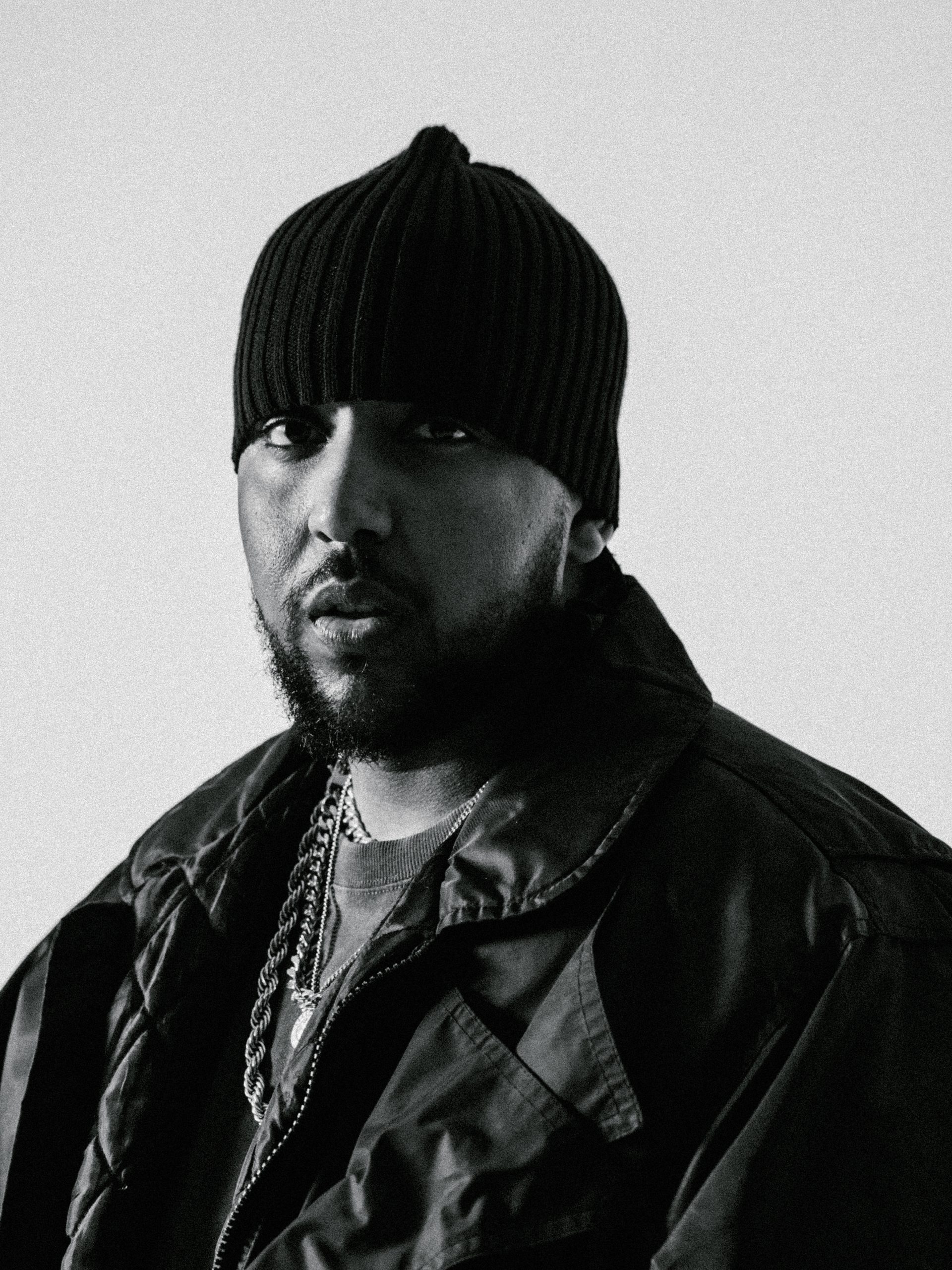
You are the first artist to hold the audience engagement residency at the Tapiola Sinfonietta. How does that feel?
It feels like an extremely meaningful and natural continuation of my career.
I come from a world that doesn’t usually sit in the middle of an orchestra, but that world already exists there in the audience.
For me, the residency isn’t a “project”; above all, it’s an encounter.
Honestly, I’m more interested in what emerges from this than in what’s expected to come of it.
As a resident artist, you’ll meet young people right where they spend their time. What advice would you give to anyone who’s moved past their own youth: how should you approach young people?
Young people are quick to sense when someone is being fake.
If you show up with all your answers ready, they’ll shut you out before you even get a chance to open your mouth.
Be genuinely present. Without playing a role. Without an agenda. Ask more questions than you give explanations.
Ultimately, they don’t need or want anyone to define them—they are capable of and want to define themselves.
The well-being of young people and its decline have been in the spotlight a lot lately. How does music support young people’s overall well-being and growth within the society around them?
Music doesn’t ask for permission. It provides a space to simply be where you are—without having to explain yourself.
When everything around you is moving fast and demanding a response, music can be the only place where you don’t have to react immediately.
And sometimes it’s enough for a single sound or rhythm to strike the right chord. Then you’re not alone with yourself.
What are you anticipating most during your residency?
Encounters—both with the audience and within the orchestra.
I’m curious to see what happens when the rhythm and interpretation of R&B collide with the orchestra’s sound.
At its best, it doesn’t result in a compromise—but in something new that can’t yet be named.
Who is your favorite classical composer, and why?
If I had to choose just one, it would be Claude Debussy. What fascinates me about his music is how much breathing room and space he leaves in his compositions.
He doesn’t seem to over-direct; instead, he draws you in and lets the listener be a part of it.
It’s similar to good R&B: the emotion isn’t explained, it’s just there.
Finally, why do young people hold the key to the future?
Because they aren’t set in their ways yet. They see and do things without the same limitations we’ve grown accustomed to. When we give young people space—not ready-made answers—they build something we don’t even understand yet.
Hassan Maikal on Friday 30 October at Kulma.