
Saturday
30.01.2027
18:30
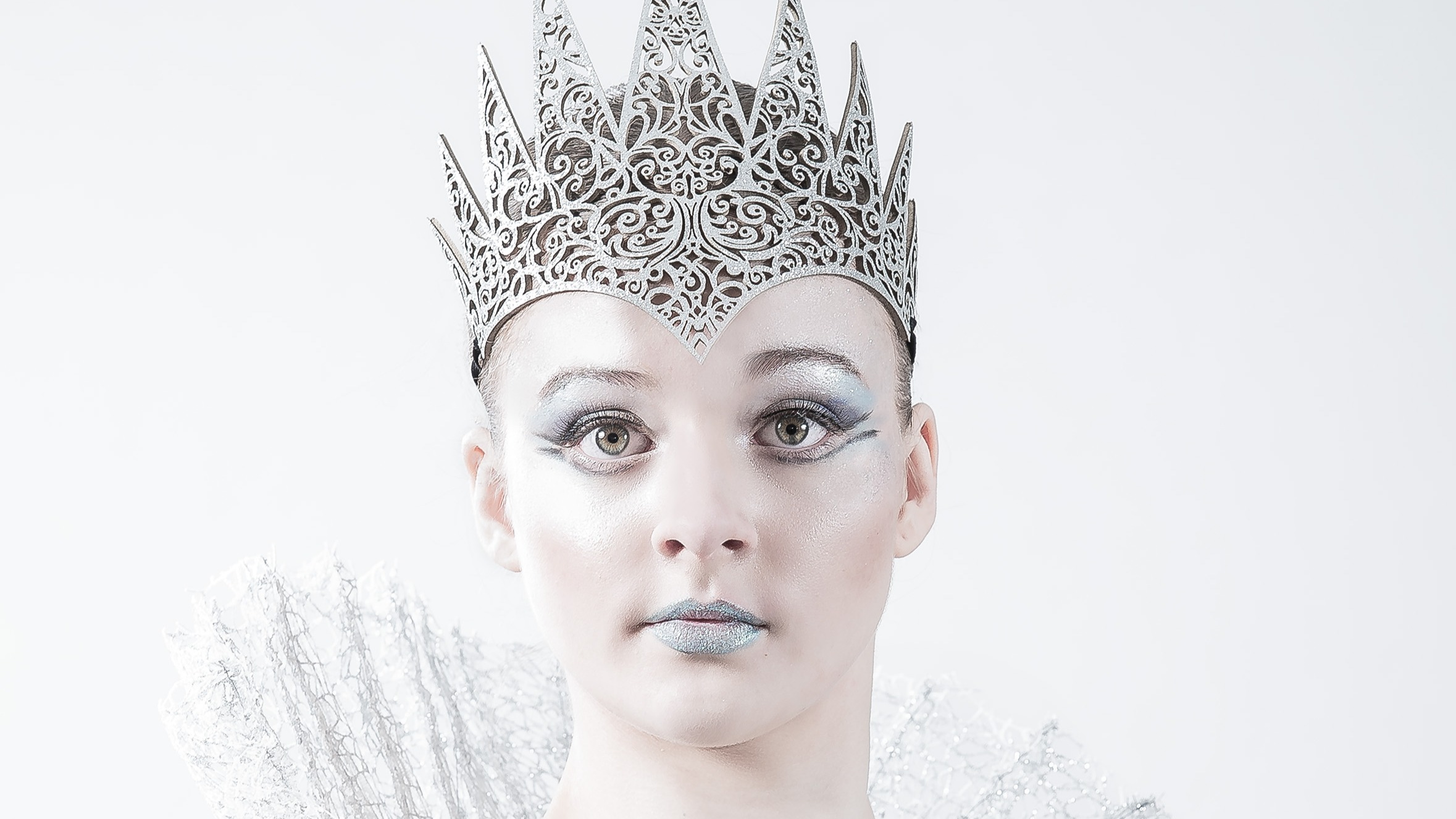
Espoon Tanssiopisto & Tapiola Sinfonietta: Snow Queen
Espoon Tanssiopisto and Tapiola Sinfonietta will present the ballet Snow Queen of Ilkka Kuusisto in January 2027.
Tapiola Sinfonietta’s spring season ends with a choreographed performance of Bertolt Brecht and Kurt Weill’s socially critical classic The Seven Deadly Sins.
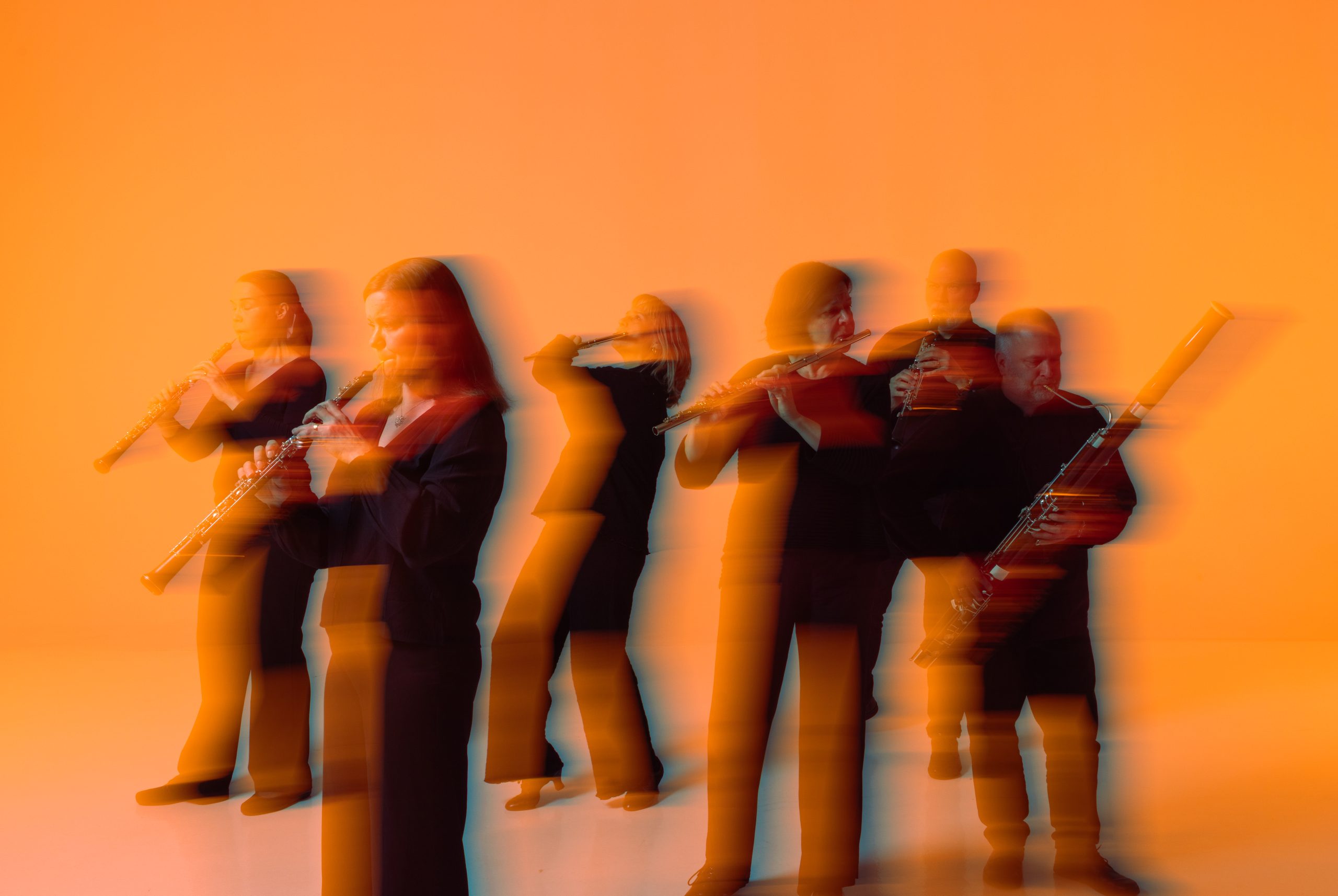
Ryan Bancroft, conductor
Bella Adamova, mezzo-soprano
Jess Gardolin, dance and choreography
Sandra Preciado, director
Marzio Picchetti, production manager and design
Vocal ensemble:
Jóhann Kristinsson
Michael Müller-Kasztelan
Petter Moen
Antti Mähönen
Erwin Schulhoff: Suite for Chamber Orchestra, WV 58, Op. 37
George Gershwin: An American in Paris
Kurt Weill: Seven Deadly Sins, original version for soprano
Tapiola Sinfonietta’s spring season ends with a choreographed performance of Bertolt Brecht and Kurt Weill’s socially critical classic The Seven Deadly Sins. This musical drama is a satirical portrayal of capitalist society, double standards, and how far people are willing to go to achieve a better life. In addition to Weill’s stage work, the concert will feature sinful jazz and American show music.
The Seven Deadly Sins was composed in 1933 by Bertolt Brecht and Kurt Weill on the eve of their exile from Germany, as fascism rose and economic instability reshaped Europe. Conceived as a “ballet chanté”, the work reflects Brecht and Weill’s sharp critique of capitalism, morality, and social hypocrisy.
Through the journey of Anna across American cities, the piece exposes a system in which survival requires compromise, and virtue is measured not by ethics, but by economic usefulness. Written at a moment of political rupture and displacement, The Seven Deadly Sins remains a strikingly contemporary work, confronting audiences with enduring questions about conformity, judgment, and the cost of success within a market-driven world.
Following the concert, a discussion will take place in the main foyer on the topic of “Dance as a Political Movement.” The discussion will be moderated by Lotta Emanuelsson, with panelists including dance artist, choreographer and dance researcher Kirsi Monni, and choreographer Simo Kellokumpu.
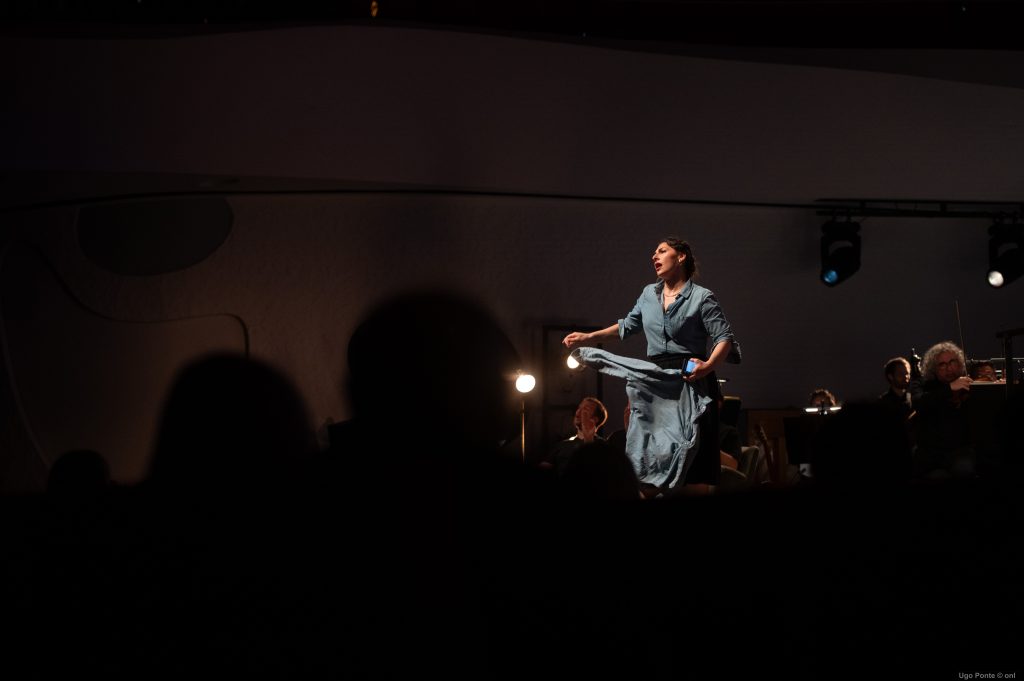
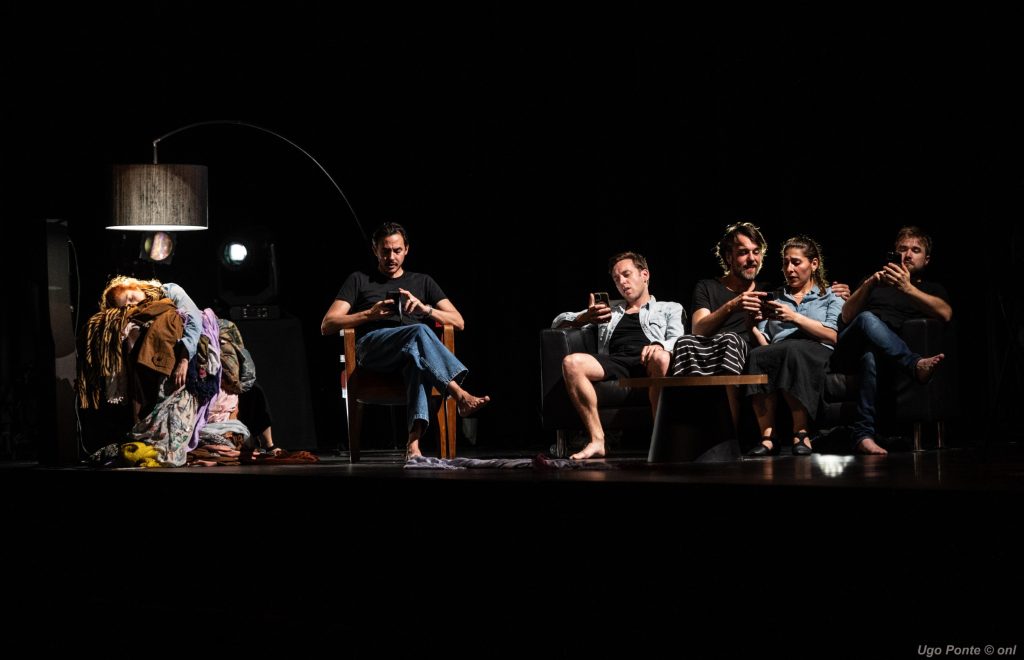
Photos: Hugo Ponte © ONL.
Espoo Cultural Centre, Tapiola Hall
Kulttuuriaukio 2,
02100 Espoo
Espoon Tanssiopisto and Tapiola Sinfonietta will present the ballet Snow Queen of Ilkka Kuusisto in January 2027.
Espoon Tanssiopisto and Tapiola Sinfonietta will present the ballet Snow Queen of Ilkka Kuusisto in January 2027.